Permanent Pacemaker Implantation in China
Why a pacemaker is fitted, what the procedure involves, and how the device is monitored after you leave the country.
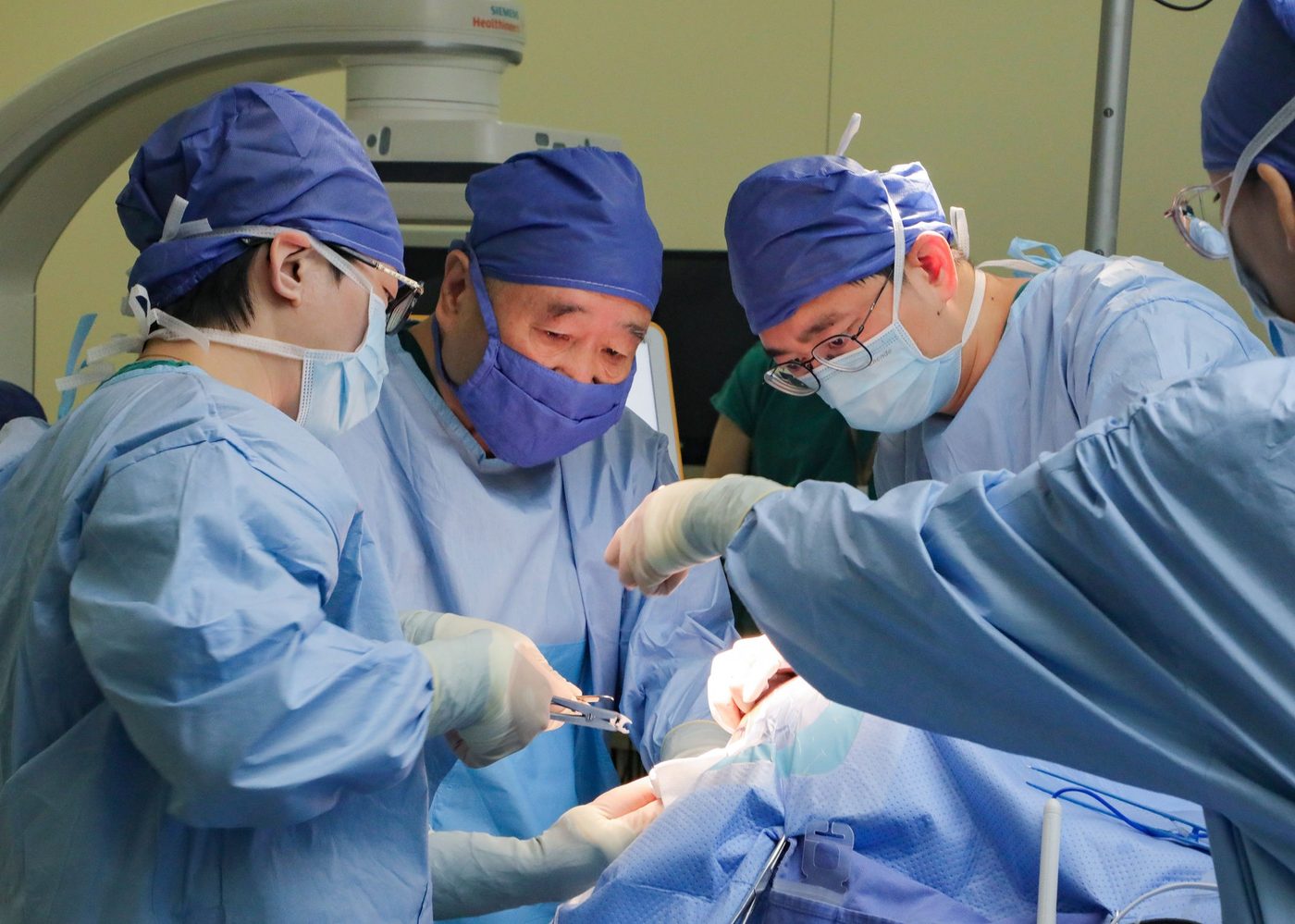
Why a pacemaker is fitted, what the procedure involves, and how the device is monitored after you leave the country.
A permanent pacemaker is implanted when the heart's own electrical system conducts too slowly or blocks intermittently, causing symptoms such as blackouts, severe dizziness, breathlessness on exertion, or fatigue. The decision is based on an ECG, often with Holter monitoring, and on whether the rhythm problem explains your symptoms.
ECG documentation of the conduction problem, plus assessment of symptom correlation.
Single or dual chamber, and whether rate response is needed for your activity level.
Usually 45 to 90 minutes under local anaesthetic; leads are positioned in the heart and tested electrically.
Device interrogation the next day, wound review, and a device identification card.
Pacemakers need periodic interrogation to check battery, lead function and settings. The interval is commonly every six to twelve months, and most modern devices can be checked remotely. Before you travel, confirm that the device model and programmer are supported by a clinic near your home, and get the device card with model and serial numbers.
Most everyday activity resumes within days. Strong electromagnetic fields should be avoided, and some medical procedures such as MRI require the device to be MRI-conditional and reprogrammed. Airport security requires a hand search rather than a walk-through scanner in most jurisdictions.
Wound infection, pneumothorax during lead placement, lead displacement, perforation, and device-related complications requiring revision. Rates are low but not zero, and the balance is different for frail elderly patients.
Send your ECG and Holter report. A medical assistant will confirm whether a pacemaker is indicated and arrange the review.
Request a consultation About the hospitalOther cardiac procedures at the same hospital.