Coronary Stenting in China
When a stent is the right treatment, what the procedure involves, and why the medication afterwards matters more than the stent itself.
When a stent is the right treatment, what the procedure involves, and why the medication afterwards matters more than the stent itself.
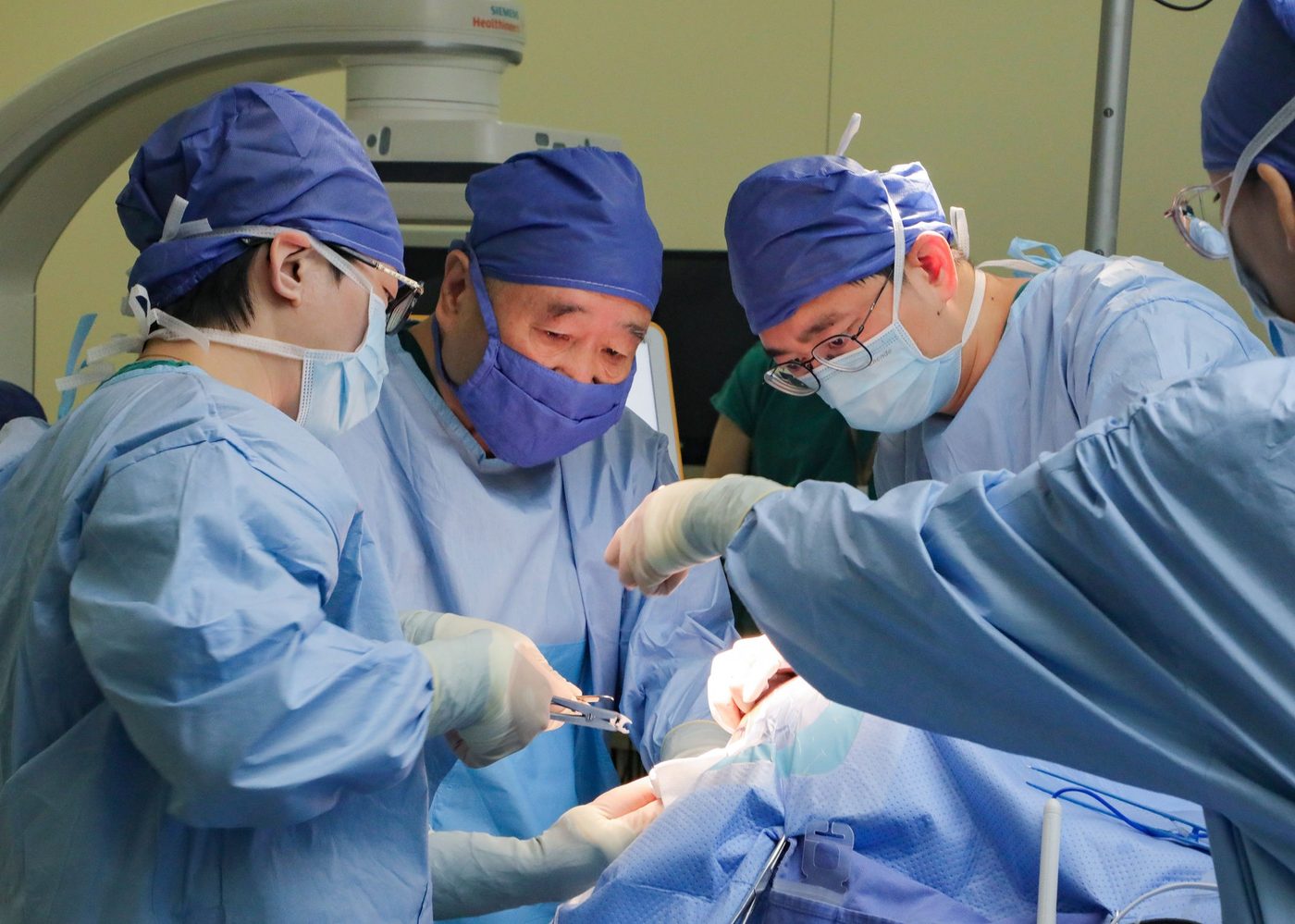
Percutaneous coronary intervention (PCI) opens a narrowed or blocked coronary artery. A catheter is passed through the wrist or groin, a balloon is inflated to widen the narrowing, and a drug-eluting stent is deployed to hold the artery open. It is usually performed for stable angina that is not controlled by medication, or urgently in acute coronary syndrome.
Coronary anatomy is imaged to identify which vessels are narrowed and by how much.
The team decides between stenting, medication alone, or bypass surgery, based on the pattern of disease.
Usually 30 to 60 minutes; you are awake but sedated, with local anaesthetic at the access site.
Overnight monitoring, then discharge if stable, with antiplatelet medication started.
A stent treats one narrowing; it does not cure coronary artery disease. Dual antiplatelet therapy afterwards is not optional and must not be stopped without cardiology advice, because stopping early risks stent thrombosis, which can be fatal. Any plan to travel for stenting must include a clear, written medication plan that your doctor at home will continue.
Bleeding or bruising at the access site, allergic reaction to contrast, kidney strain from contrast, arrhythmia, restenosis, stent thrombosis, and in rare cases emergency surgery. The balance of risk depends heavily on your other conditions and how urgently the procedure is needed.
Send your angiography report and current medication list. A medical assistant will arrange a cardiology review before any travel planning.
Request a consultation About the hospitalOther cardiac procedures at the same hospital.